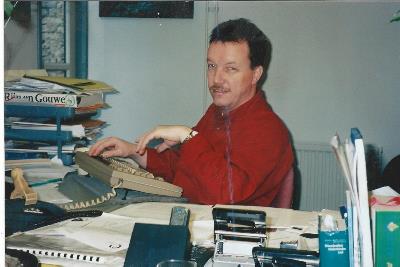
50 jaar in ‘het vak’ vandaag. Op 1 oktober 1975 stapte ik de professionele journalistiek in als (leerling-)redacteur economie bij een tweetal vaktijdschriften.
In de decennia daarna verruilde ik dat voor het snellere print dagblad en de laatste jaren het nog snellere online bij AD Groene Hart. Down Memory Lane daarom vandaag naar waar het allemaal begon.
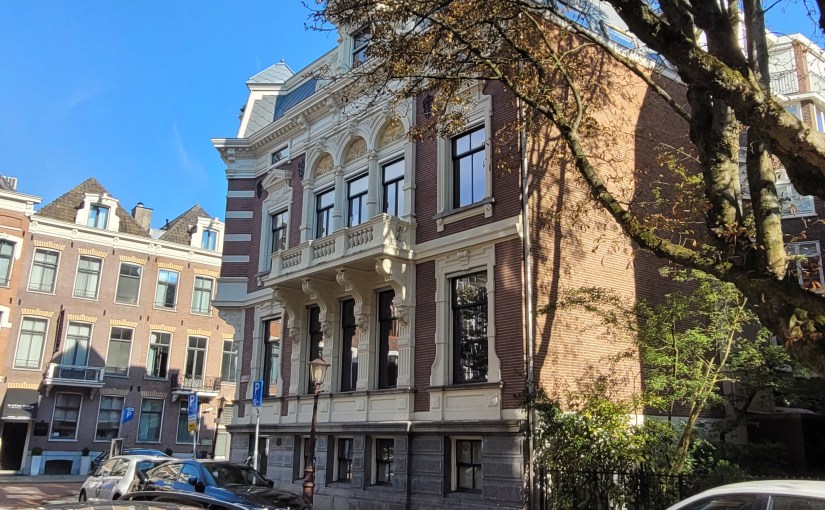
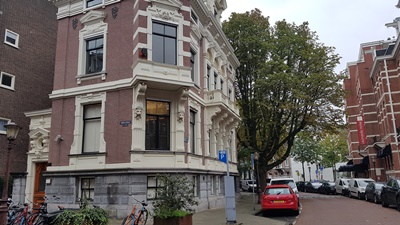
Moeilijk te vinden is die allereerste redactieruimte in Amsterdam niet. Ben er in het verleden nog wel eens langs gelopen. De laatste keer in coronatijd, toen je niet veel mocht mar wel met mondkapje op per trein naar Amsterdam. Kon er uiteraard niet naar binnen. Nu weer niet, vanwege verbouwing of (groot) onderhoud.
Het mag de pret niet drukken. Het weer is perfect voor een wandeling door het gebied rond het Leidseplein en het Vondelpark. Hoewel er het in de hoofdstad het nodige veranderd is, roept de rit per trim van Amsterdam CS via de Nieuwezijds Voorburgwal, Koningsplein en Leidsestraat naar het Leidseplein herinneringen op. OK, het was vroeg in die ochtend donkerder dan nu, maar toch…
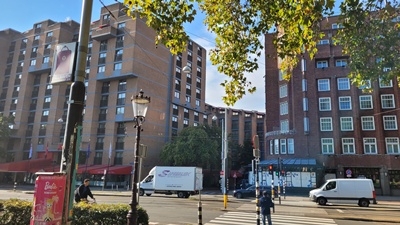
Is er veel veranderd aan de wandeling van de tramhalte op het Leidseplein naar mijn werkplek? Tuurlijk wel. Het sjieke en dure wooncomplex Byzantium bestond nog niet en het Mariott hotel was nog in aanbouw (ja, met hert gedreun van de heimachine) en de bank als buurman, Labouchere is er ook al lang niet meer zo te zien.
Verbouwd
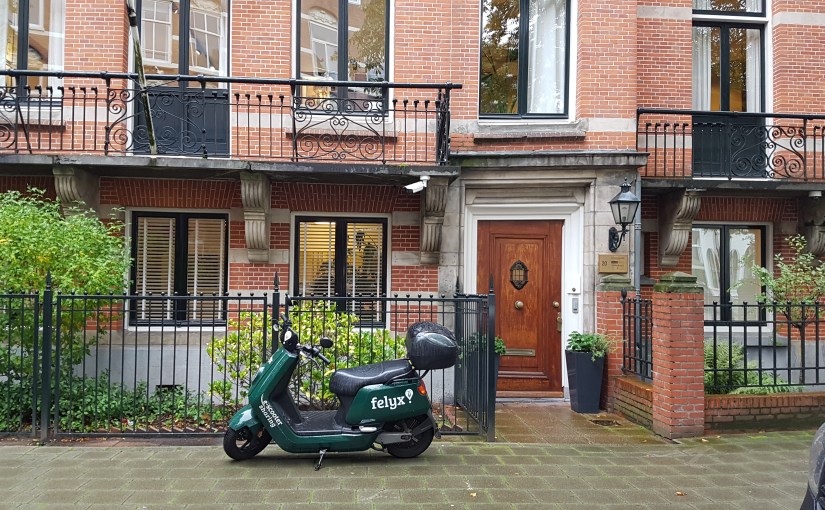
Maar de panden van de toenmalige uitgeverij Diligentia waar ‘mijn’ vakbladen Foodpress en Distrifood toe behoorden zijn er nog wel. Van buiten dan. Binnen wordt er flink verbouwd zo te zien. En niet voor het eerst. Namen van een advocatenkantoor en van kledingmerk Tommy Hilfiger die ik in coronatijd op bord aan de gevel zag, zijn weg.
Het doet er vandaag niet toe. Ik zet vlak voor de entree, waarvan de deurpost verzakt is, een voetstap, net als vijftig jaar geleden. Toen toch een beetje angstig als 18-jaririge Gouwenaar in de grote stad (‘wat staat me te wachten hier’) en nu met pure nostalgie.
OK, de hoek rond Tesselschadestraat, Vondelstraat en Roemer Visscherstraat is niet het meest enerverende stukje 020 (als geboren Rotterdammer kan de naam van de hoofdstad niet goed uit mijn bek krijgen natuurlijk…), maar hier vandaag toch weer even staan, heeft wel iets.
Draaiorgel
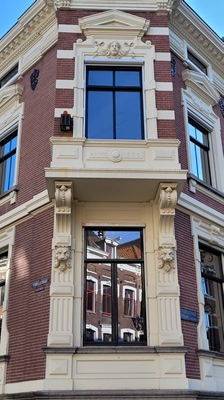
Ken de hoek (helemaal links op de foto hierboven) nog van het complex waar mijn bureau was. Eén hoog. Uiteraard niet aan het raam. Die plekken waren voor de seniors.
Wat ik me wel herinner van het hoekraam (zie foto boven dit verhaal) is dat eenmaal in de week het draaiorgel langs kwam en dat collega’s (ik niet, echt niet!) een stuiver vanuit het raam naar beneden gooiden, dus dat was rapen voor de orgelman. Heel fout zouden we nu zeggen. Maar toen…
O en in die tijd (mensen die mij kennen kunnen zich dat nu niet voorstelen) kon in het niet weerstaan: in de kelder onder onze redactieruimte was het bedrijfsrestaurant waar de chef elke dag behalve voor de grote kannen koffie ook voor de soep en de kroketten zorg droeg. Behalve een tweetal maanden in het jaar, want dan reisde hij naar familie in Marokko. Om ons daarna de foto’s te laten zien van weer een gezinsuitbreiding sinds zijn vorige bezoek.
Na mijmeren op de Tesselschadestraat koers gezet naar het Vondelpark. Daar heb ik regelmatig bij goed weer rondgewandeld tijdens de lunchpauze. Hier ben ik echt al die vijftig jaar nooit meer geweest. OK, niet direct, wel schurend langs de rand als ik hier was voor concert in Orgelpark.
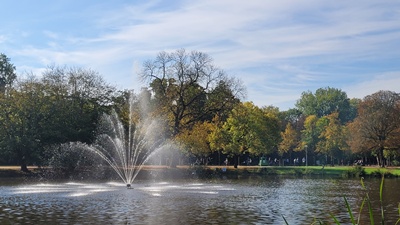
Wat een mooi park, zeker als, zoals vandaag, de zon volop schijnt. De wandelpaden, de bankjes. De fonteinen… Wie zou hier niet trots op zijn. Nou, ik vijftig jaar geleden niet, althans niet bijzonder. Het was een lunchpauzewandeling.
Dorrius
Voor het aanvangen van de terugwandeling naar Amsterdam CS nog één gemist. Ging meestal na 17.00 uur terug per tram naar het NS-station. Zeker in de wintermaanden in de regen werd je hongerig. Dan op de NIeuwezijds Voorburgwal kwam je langs restaurant Dorrius. Daar rook je vanuit een kraam de gebakken mosselen. In die tijd nog geen geld en tijd om iets te kopen. Met hongerige maag dus naar Gouda waar mijn moeder een prakkie had bewaard voor me.
Mijn vader en moeder vonden het wel mooi dat ik de journalistiek was ingegaan. Maar pas later, toen ik voor Rijn en Gouwe (nu opgegaan in AD Groene Hart) stadsverslaggever voor mijn woonplaats Gouda werd.
De eerste jaren voor dat dagblad kenden wisseldiensten en dat betekende dat ik niet zelden diep in de nacht nog even naar de opmaakredactie in Den Haag ging per auto en bij vertrek aldaar een verse krant mee nam. Die legde ik bij thuiskomst op de tafel in de woonkamer. Terwijl ik net in ben lag, hoorde ik mijn moeder naar beneden gaan om alvast de krant te lezen…
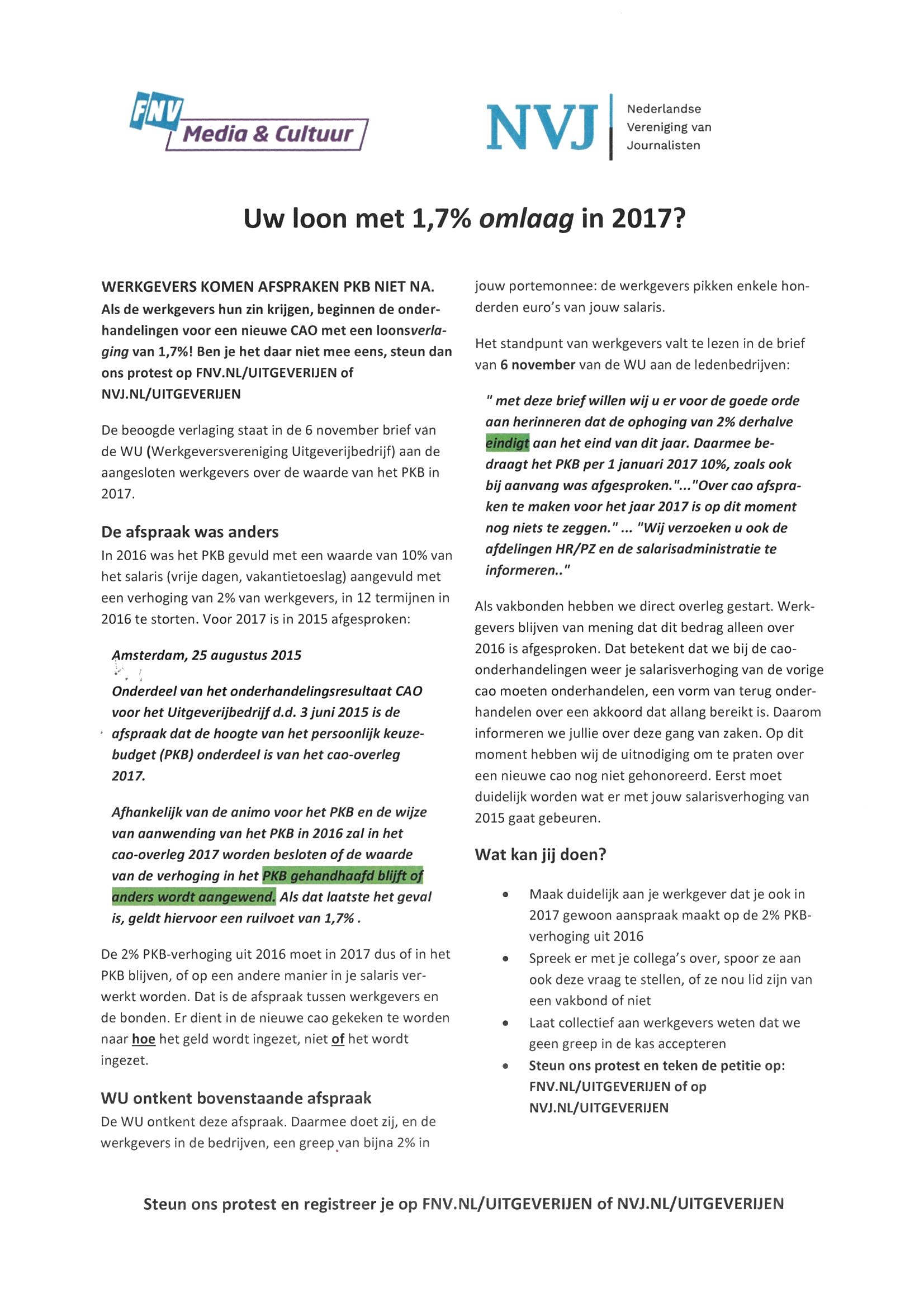
Long story short… Binnen Rijn en Gouwe en later AD Groene Hart vervulde ik verschillende functies en laat ik vooral ook mijn langdurige inzet voor de onvolprezen vakbond/-organisatie NVJ (Nederlandse Vereniging voor Journalisten) niet vergeten.
De vaktijdschriften (weekbladen) in Amsterdam heb ik verlaten vanwege de tijd die er zat tussen verhaal maken en het bereiken van de lezer in die tijd (geen internet!!!). In de laatste jaren tot mijn pensioen mocht ik vooral online actief zijn. Sneller, sneller, sneller en 24/7!
Pionier
Als pionier. Kennelijk met gedachte van redactieleiding van als die ouwe (60+) het kan, kan iedereen het…
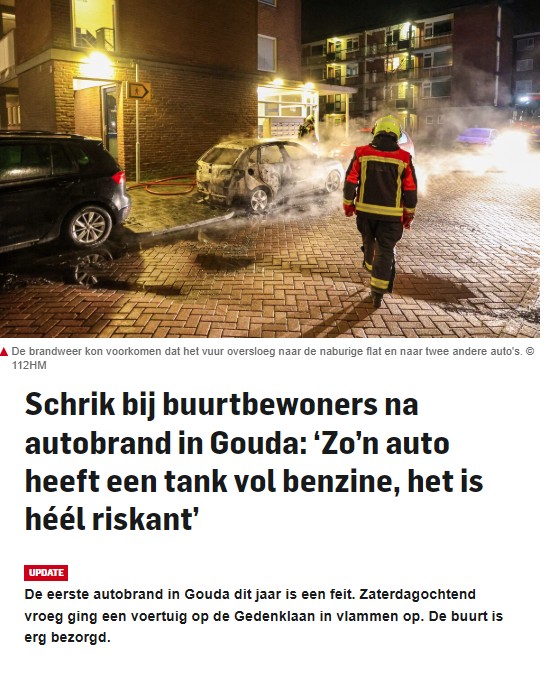
Ergens diep in de nacht info krijgen over een brand of wat dan ook en dat dan meteen op de website zien te krijgen. Soms met hulp van de nachtwachten van het AD in Canada, USA en Zuid-Amerika. Het waren de mooiste laatste jaren van mijn journalistieke carrière.
Heb ik dus ergens spijt van gehad? Nee, niet echt. OK, net als in elke baan waar je lang in blijft, zijn er minpunten, maar de balans opmakend heb ik een prachtige tijd gehad. Mijn werk voor de krant(en) en zeker ook mijn vakbondsactiviteiten van de NVJ voor de collega’s overal in het land kijk ik met genoegen terug op die halve eeuw.
Blunders
En nu? Achter de geraniums?. Zeker niet! Ben voor mijn kerk net zo actief als in mijn journalistieke jaren, zowel in Rotterdam als in (met name) Europa. En dat hoop ik nog een aantal jaren te mogen doen. Luiigheid is des duivels oor kussen, of zoiets.
En ik kan het niet laten. Soms kom ik op de website van de krant (taalkundige) fouten/blunders tegen en dan kan ik het niet laten. Afhankelijk van de (oud-)collega van dienst wordt die fout aangepast, maar steeds vaker ook niet. Wel jammer, want zoals ik mijn collega’s altijd heb voorgehouden: als het gebruik van goed Nederlands al wordt genegeerd, hoe zit het dan met de inhoud van het artikel…!!!
Nu niet meer achteruit kijken. De blik op de toekomst. Nog vijftig jaar mijn journalistieke DNA volgen? Dat is misschien teveel gevraagd. Maar een paar jaar/decennia toevoegen aan dit fantastische (journalistieke) leven zou wel mooi zijn.
Nu mijn eigen jubileum ff vieren met een mooie dram!
Slaìnte!


 moet de eerste week van januari maar op tv kijken (als je in het gebied van kabelstichting Rekam woont) of vanaf diezelfde periode op het

 Je kunt niet zeggen dat corruptie slecht is en vervolgens een journalist oppakken die precies daar over schrijft. Dat is tegenstrijdig.”
 Build capacity to prosecute and investigate. When journalists are harmed we often leave it up to them and their colleagues to investigate what happened and pursue justice. So we leave it up to journalist Claudia Duque from Colombia to investigate the murder of fellow journalist Jaime Garzón. She is the only one who bothered and is paying for it dearly. In the end it is the friends, colleagues and family of Stan Storimans who pursue justice.
 Puffinnest